AI: Execution Over Hype
AI is a powerful tool, but it's not a magic wand. I use it daily as a force multiplier to deliver stable, high-value software, faster-without ever sacrificing quality. My approach is pragmatic, focused on measurable business results and data security.
My Core Principles
Modern tools in highest security way
I use AI-assisted tools like Cursor IDE, Claude Code, Codex, Wispr, WebStorm and all leading AI models to accelerate my workflow. The goal is high assistance, not replacement. Full tests coverage, especially for backend which decides businees outcome. High point on security guardrails.
I used to lead juniors, now I lead agents.
I used to lead juniors and build human teams. Now I build AI teams and lead agents. My real leverage comes from deep experience: I know how to guide AI processes-prompting, tooling, and context-so work stays aimed at high-quality, precise results instead of generic drafts.
I use over 1B tokens of AI per month on Cursor alone.
To reach the market, I orchestrate AI. Lower costs, consistent efficiency. Less management, more delivery.
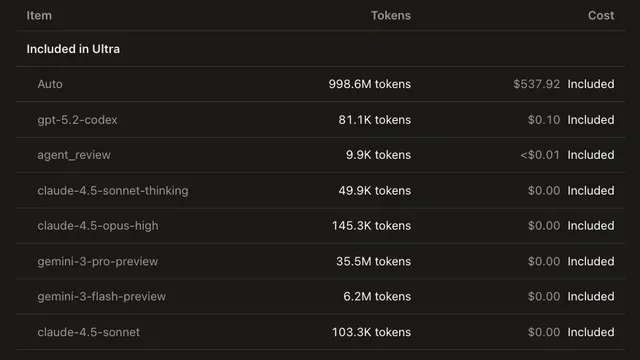
Stats from January 2026
Proof, Not Just Promises
This isn't theoretical. It's about practical application and turning business goals into working systems.
AI for Software Development
Speed to market is everything and I use AI heavily to make that happen. Over a decade in CTO roles I built processes for how to structure code and busineess processes. I used to onboard devs from junior to senior - now I onboard AI as a devs team, and it loves my clear naming conventions and structure. This way I deliver high-quality at high-pace.
Content at scale with AI
I built a full process pipeline and tools to create content at scale with AI. A fully automated system for a niche website. The quality of that content depends on your prompts, processes, and data sources.
The Bottom Line
AI is a powerful amplifier, but it is not a substitute for solid engineering principles. When we partner, you get a technologist who leverages AI pragmatically. To accelerate development, solve complex problems, and deliver measurable business value, with quality and stability at it's foundation.